Gardening Responsibly: How to Water Plants During a Hosepipe Ban
13th Jul 2026
When a Temporary Use Ban (commonly known as a hosepipe ban) is announced, it can cause a bit of panic for British gardeners. Your first thought is often for the health of your lawns, flowerbeds and vegetable patches.
However, a hosepipe ban does not mean you have to let your garden wither away. It simply means we all need to adapt how we use our water. By understanding the rules and changing our routines, we can keep our gardens flourishing while fully respecting local water restrictions.
Can I Water My Plants During a Hosepipe Ban?
The short answer is yes, but how you do it matters.
A standard hosepipe ban restricts the use of a hosepipe, or anything connected to one (like a pressure washer or sprinkler), for watering domestic gardens or washing cars. However, using mains water via manual methods is completely permitted under standard guidelines.
Important Note: Regulations and exemptions vary significantly by region. What is allowed by one water company might be restricted by another. Blue-badge holders, for instance, are often exempt from certain restrictions, and new turf or commercial properties may have different rules. Always check your local water provider's website to read the exact terms of the ban in your area.
How to Water Plants in a Hosepipe Ban: Best Practices
To keep your plants alive without breaching restrictions, the goal is to maximise efficiency and eliminate waste. Here is how to keep your garden hydrated using permitted, manual methods.
-
Revert to the Classic Watering Can and Bucket
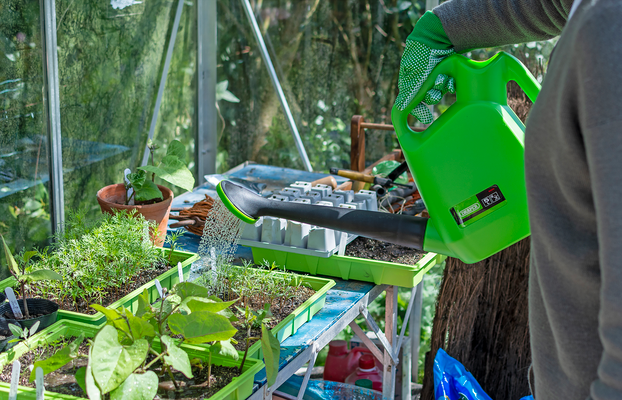
The most reliable way to stay within the law is to use a good old-fashioned watering can. It allows you to direct water straight to the base of the plant where the roots can absorb it, rather than spraying it widely across leaves where it will simply evaporate.
Multi-purpose buckets are also invaluable during a ban. Keep one in the shower to catch the "warm-up" water that usually runs down the drain, or use it to collect cooled, leftover water from boiling vegetables. This "greywater" is perfectly safe for most established garden plants.
-
Harvest Rainwater with a Water Butt
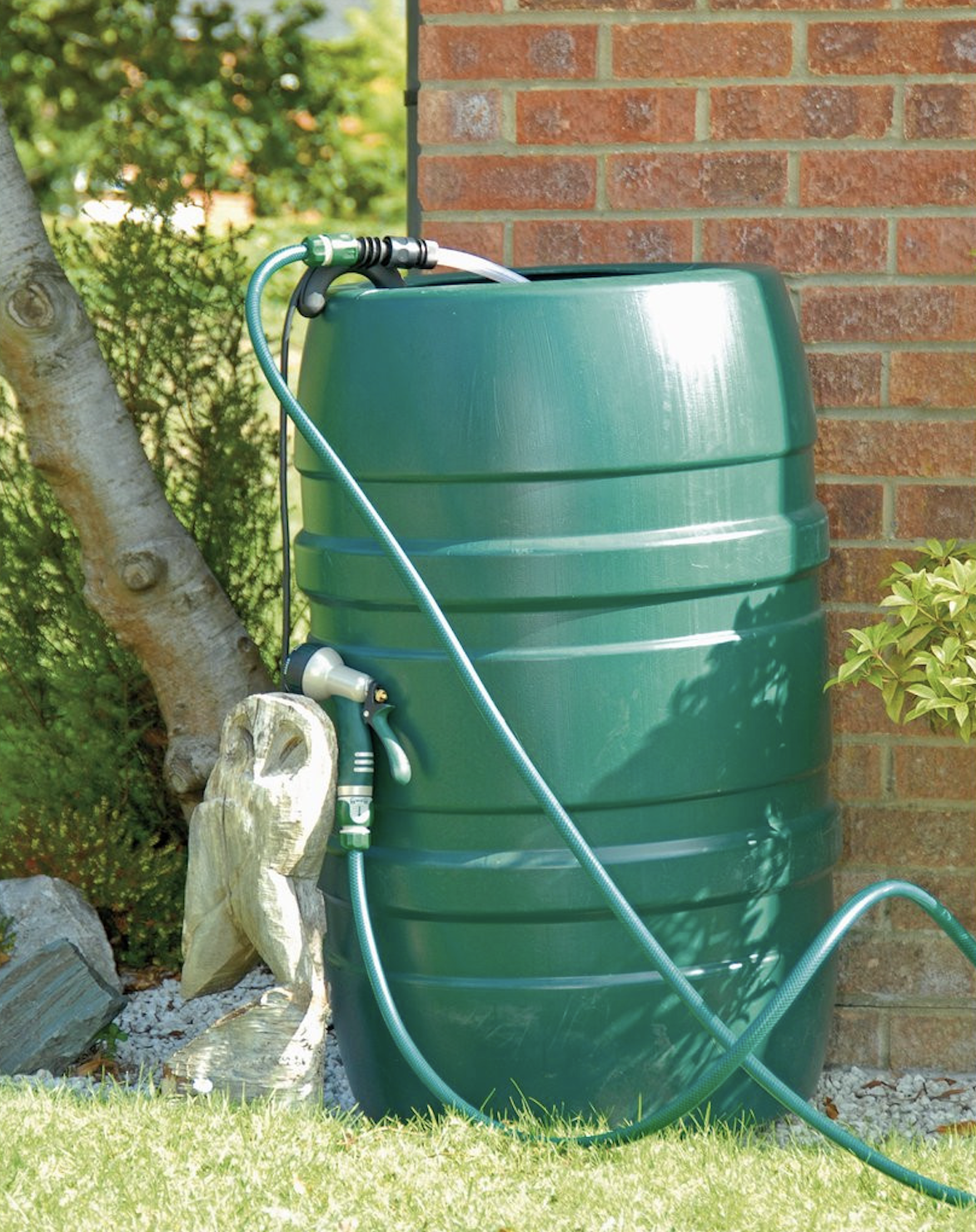
If you don't have a water butt installed, a hosepipe ban is the ultimate reminder of why they are so valuable. Collecting rainwater from your roof is thought to be better for your plants and it also keeps you entirely independent of mains water restrictions.
If you are harvesting water from a deep butt, a specialised tool like a garden water ladle is incredibly handy. It allows you to easily scoop water directly from the top of the tank without struggling to fit a bulky watering can under a low-mounted tap.
-
Use a Submersible Water Butt Pump
Carrying heavy watering cans back and forth across a large garden can quickly take the joy out of gardening. If you have a healthy supply of harvested rainwater in your water butt, you can make the process much easier by using a submersible water butt pump.
These clever devices submerge directly into the stored rainwater, allowing you to attach a low-pressure delivery system or easily fill multiple cans without lifting and tipping the butt itself.
Note: If using a pump system during a ban, ensure it is exclusively drawing from your harvested rainwater supply, as using pumps on mains water may violate local restrictions.
Smart Watering Tips to Save Water
Alongside using the right tools, modifying when and where you water will help your garden survive the heatwave:
- Water Early or Late: Water your garden first thing in the morning or late in the evening. This ensures the water sinks deep into the soil before the afternoon sun can evaporate it.
- Prioritise Your Plants: Lawns are incredibly resilient; they might turn brown, but they will almost always recover when the autumn rains return. Direct your precious water toward young plants, container pots and veg patch first.
- Mulch Generously: Adding a layer of wood bark, compost or leaf mould to your soil borders helps trap moisture in the earth, reducing the frequency of watering required.
By working together and adjusting our habits, we can protect the UK's precious water reserves while keeping our outdoor spaces beautiful.
